

Retailers: Make product safety a priority this Christmas
The festive season is a golden opportunity not only to boost revenue, but also to build trust and loyalty by prioritising product safety. Safe, compliant products protect your customers, enhance your reputation, and reduce the risk of costly recalls or legal issues.
This article has been provided by the Ministry of Business, Innovation & Employment

By following product safety regulations, you’re not only meeting legal requirements, you’re also showing your customers that you care about their wellbeing.
Why safety matters for your business and your customers
Safe products are good for business. They:
Your legal responsibilities
Under the Fair Trading Act, retailers must not sell goods that are unsafe or misleading. This includes complying with mandatory product safety standards and avoiding products subject to unsafe goods notices, such as high-powered magnets or toys with unsecure button battery compartments for children under 3 years old.
The Consumer Guarantees Act also requires that all goods sold are of acceptable quality, safe, durable, and fit for purpose. If a product fails to meet these guarantees, customers are entitled to a repair, replacement, or refund.
Common safety violations to avoid
Retailers should be aware of frequent product safety breaches, including:
- Supplying banned items: Products like unsafe hot water bottles, chainsaws without chain brakes, and inclined infant sleep products, are subject to an unsafe goods notices. It is an offence to supply or import goods subject to an unsafe goods notice.
- Selling goods with undisclosed hazards: Items with unsecure button battery compartments, sharp edges, or small detachable parts can pose serious risks, especially to children. Ensure that any toy products for children up to and including the age of 36 months comply with the mandatory children’s toy standard.
- Misleading marketing: Claims about product safety, including claims of compliance with any safety or quality standards, origin, or performance must be substantiated. Misrepresenting a product’s safety features or country of origin breaches the Fair Trading Act.
- Failing to act on known risks: Businesses must monitor product safety over time and act promptly if issues arise, including initiating recalls when necessary.
Watch our webinar on Avoiding Breaches under the FTA
Our legal partner, Ford Sumner Lawyers, reviews common mistakes that employers can avoid to ensure compliance with the Fair Trading Act.
Best practices for safer stocking
Check before you stock: button battery risks in Christmas novelty items
Christmas novelty products often contain button batteries in items such as light-up decorations, festive jewellery, musical ornaments, greeting cards, and novelty toys. If a child swallows or inserts a button battery in their ears or nose, it can cause severe internal burns in as little as two hours, leading to serious injury or death.
Risks can arise when battery compartments are not secure, batteries become loose during normal use, or replacement batteries are sold without appropriate warnings. Products intended for children, or items likely to attract a child’s attention because they are colourful, flashing, or interactive, present a particularly high risk as young children often put objects they find in their mouth or nose.
Retailers should ensure products they sell comply with any applicable safety requirements, if the products have button batteries, check them against the guidance in the policy statement. To help prevent access by young children consider;
- do the devices have secure child-resistant battery compartments?
- are the button batteries in child-resistant packaging?
- do the products have button battery information and warnings?
Toy Safety Week: Check toys for safer adventures
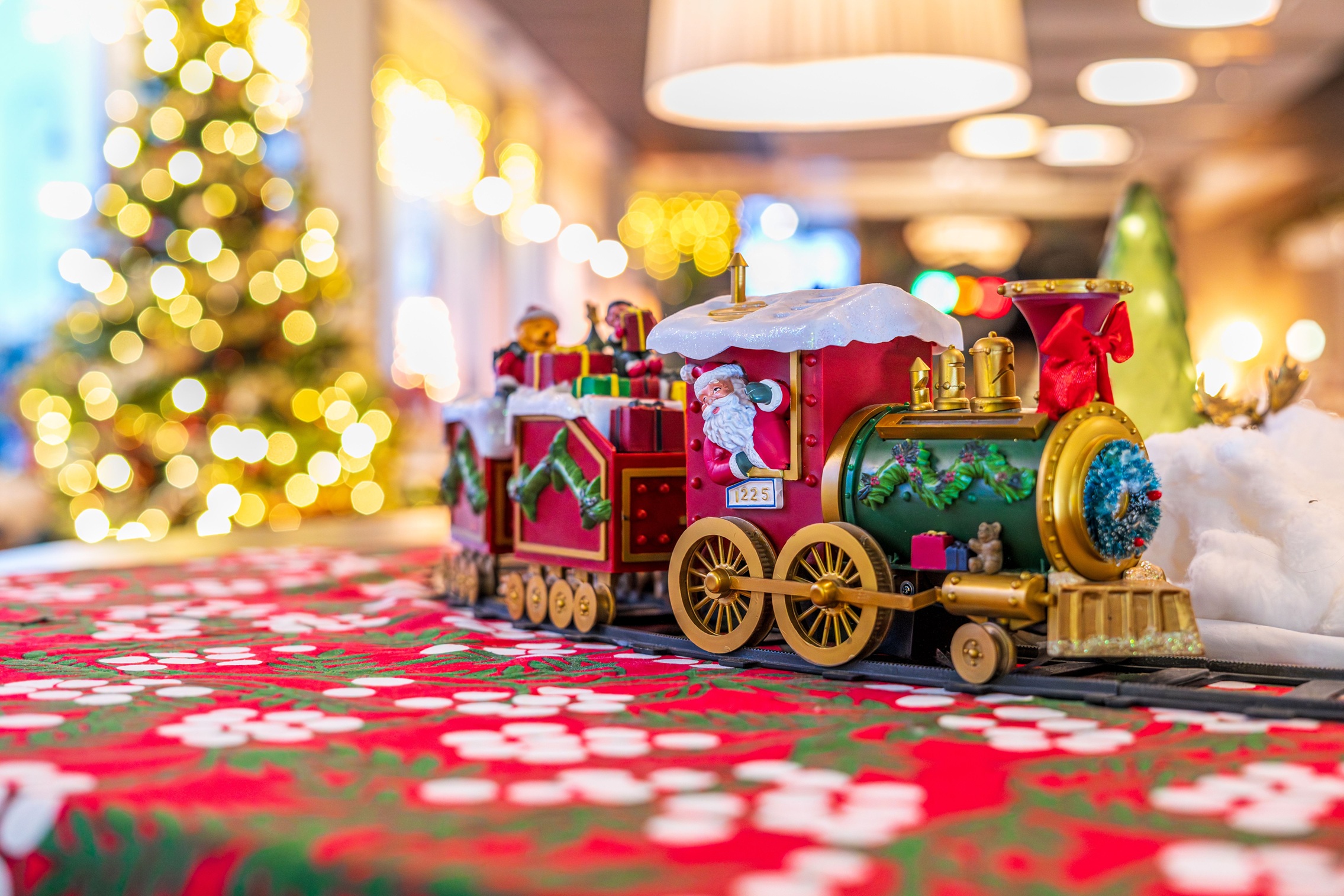
Toy Safety Week 2026 runs from 19-26 October and highlights a simple reality of childhood: young children often interact with toys differently from how adults expect.
Children explore the world through touching, chewing, throwing, pulling apart and putting objects in their mouths, making it important to consider how toys are likely to be used during everyday play.
For businesses that sell toys, Toy Safety Week is an opportunity to help families make informed purchasing decisions and support safer play. Thinking about how children are likely to interact with toys, rather than simply how they are intended to be used, can help identify potential risks before products reach customers.
Toy Safety Week provides an opportunity to share practical toy safety information with customers and help create safer play environments for tamariki.
A Quick Toy Safety Checklist
Before buying a toy, and during regular toy-box checks:
Avoid or dispose of:
Check for:
Looking ahead
Safe products protect your customers and your reputation. This Christmas and into the new year, make safety your top priority and ensure every item on your shelves is fit for purpose and compliant with New Zealand law.
Need more information?
We understand that navigating your consumer obligations can feel overwhelming. If you would like clarification on anything in this article, or if you would like advice on a specific situation, do not hesitate to email us at [email protected] or give our Advice Service a call on 0800 472 472 (or 1800 128 086 from Australia).
If you’re not ready to join yet, consider trying our Pay-As-You-Go Advice Service! You can purchase individual Advice Sessions as and when required. If you love the service and decide you’d like unlimited access, we will discount the cost of the session from your annual membership fees.